
Buyer-Intent Guide to Product Personalization That Converts

Map Buyer Intent Before You Offer Custom Options
Before you add customization features, identify what stage a shopper is in and what they need to feel confident. Some visitors arrive ready to buy and want a quick way to match a product to their taste, while others are exploring and comparing options. Use signals ecommerce product personalization like search terms, page depth, variant clicks, and cart behavior to classify intent and tailor the experience accordingly.
Start by designing three intent paths: “confirm,” “choose,” and “create.” The confirm path focuses on fast reassurance, showing recommended options, clear delivery estimates, and easy returns for customized items. The choose path helps shoppers compare variations side-by-side, such as size, color, fit, and finishing details, with minimal friction. The create path enables deeper design work, where shoppers can preview changes in real time and see how their choices translate into final production.
Design Personalization That Reduces Uncertainty
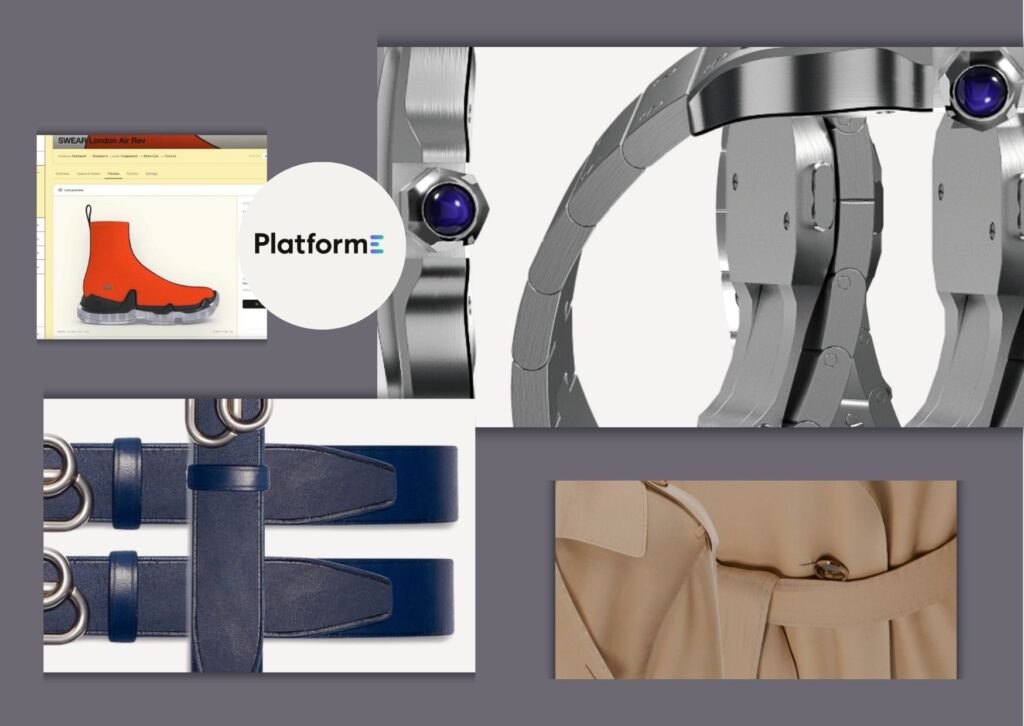
Personalization converts best when shoppers can visualize outcomes with minimal guesswork. Provide high-quality previews, including accurate color representation, layout positioning, and realistic mockups, so buyers know what they’re getting. Add clear guidance like “what looks 3d fashion design software best for this product,” size and placement examples, and text length limits for engraving or printing. When you reduce ambiguity, you lower support requests and increase buyer confidence at checkout.
Make the personalization workflow predictable: show required fields first, then optional upgrades, and keep the pricing model transparent. If a customization affects cost or production lead time, communicate it at the moment the shopper makes the choice, not after they commit. Offer “undo” controls, saved drafts, and simple re-editing so shoppers can iterate without feeling trapped.
Turn Customization Into a Clear Value Proposition
Shoppers personalize when they believe the result is meaningfully better than a generic alternative. Tie each customization option to a customer benefit, such as self-expression, gift specificity, brand consistency, or a perfect fit. Use product pages to explain how designs are applied, what materials support the look, and how durability compares to standard finishes. This makes the experience feel curated rather than gimmicky, which strengthens intent.
Layer in social proof and practicality to validate choices. Show examples of real customer designs, highlight popular presets, and include guidance for common use cases like celebrations, workplaces, or personal wardrobes. Add “compatibility” checks so personalization stays accurate—for example, ensuring that a selected font remains readable on a given fabric color. When you blend creativity with reliability, you help buyers move from “maybe” to “yes” with fewer doubts.
Conclusion
A buyer-intent approach turns personalization into a conversion engine instead of a complex feature. By aligning customization depth to how shoppers think and decide, reducing uncertainty through strong previews and clear pricing, and framing value around real benefits, you make it easier to commit. When brands connect customization with efficient made-to-order production, the experience feels both expressive and dependable. PlatformE supports this shift by helping deliver personalized experiences while linking customization workflows with efficient production, so shoppers can design confidently and brands can fulfill faster with less friction. Use intent mapping to guide what options appear first, streamline the steps that influence decision-making, and validate results with previews that look accurate. Keep the interface responsive, offer helpful guardrails, and communicate production implications as soon as choices are made. This combination helps you capture high-intent buyers while still inspiring discovery for new visitors.
Leave Your Comment