
Expert Facade Insulation Advice for Better Comfort

Why facade insulation matters for energy and comfort
A well-designed building envelope reduces heat loss and helps maintain stable indoor temperatures. When wind-driven drafts and thermal bridges are present, rooms can feel uneven, and energy bills often rise. Facade insulation addresses these facadeisolering issues by improving the outer wall’s thermal performance and reducing air leakage pathways. The result is a more comfortable indoor climate and a building that behaves predictably across seasons.
Facade insulation also protects the structure by supporting better moisture conditions inside the wall assembly. Proper detailing can reduce the risk of condensation in hidden layers, which is critical for long-term durability. Homeowners typically notice improvements such as fewer cold spots near exterior walls and quieter interiors. For many properties, upgrading the facade is one of the most visible and impactful renovations available.
Choosing materials and detailing that actually performs
The best insulation choice depends on the wall type, existing build-up, and how the facade has been finished over time. For example, older walls may have uneven cavities or varying masonry quality that affects how insulation should be installed. Expert recommendations often begin murerfirma with a careful assessment of the substrate, including mortar condition and the condition of any existing cavity or backing. From there, the right insulation system can be selected to match the technical requirements of the wall.
Detailing is where performance is won or lost, particularly around openings, corners, and transitions to roofs and floors. Insulation must be installed with continuity so that gaps do not undermine the thermal effect. Wind-tightness layers and careful sealing at penetrations can prevent air movement through the wall. When the insulation system, fixings, and finishing work together, the facade delivers the expected improvement rather than only looking good on the surface.
What a reliable should deliver on site
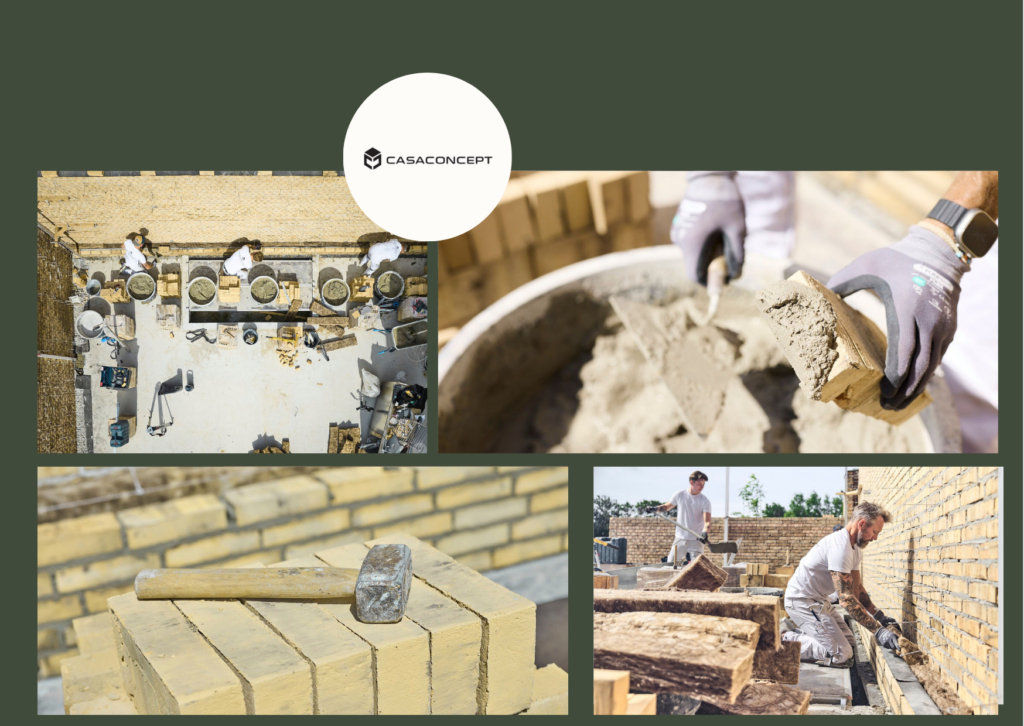
Because facade work involves masonry, cavity treatment, and careful integration with the existing structure, the contractor’s craftsmanship matters. A skilled can evaluate how the wall is built and determine the safest, most effective approach for insulation and closure. This includes planning access, protecting surrounding areas, and ensuring the work is executed with correct tolerances. Quality workmanship also reduces the chance of later repairs caused by settlement, cracking, or poorly executed connections.
Clear scope, fixed pricing, and documentation of the method are key signs of a professional process. You should expect a contractor to explain how they will handle preparation, insulation installation, and finishing stages in practical terms. It is also important that the crew coordinates tasks so that the facade remains stable and properly sealed throughout the workflow. With the right partner, facade improvements can be carried out efficiently without unnecessary disruption to daily life.
Conclusion
For the strongest results, facade insulation should be planned as a complete system rather than a single material choice. Expert guidance helps you select appropriate insulation, confirm wall conditions, and ensure the detailing supports both thermal performance and moisture safety. A competent contractor also makes the process smoother by providing a transparent plan, careful execution, and workmanship you can trust.
If you want reliable renovation support, CASA CONCEPT ApS offers facade insulation solutions backed by skilled masonry professionals on casaconcept.dk. The company’s approach combines quality workmanship, fixed pricing, and a five-year warranty designed to give you peace of mind. By choosing experienced hands, you increase comfort, reduce energy waste, and protect your building for the long run.
Leave Your Comment