
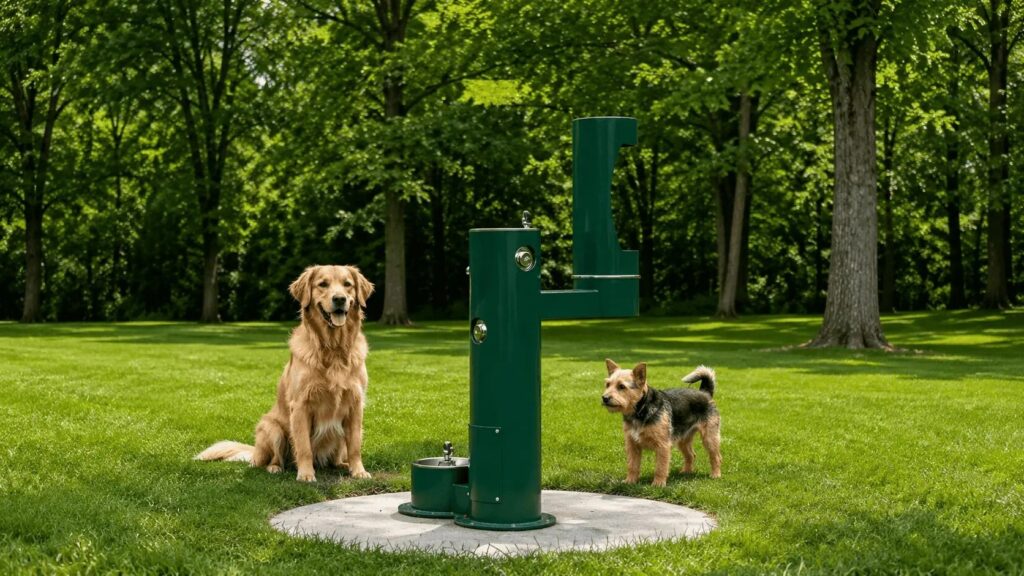
Fix Mud Tracking and Line-Back Complaints with Foot Wash

Why outdoor spaces fall apart without a dedicated wash solution
Many public areas look great when they open, but high foot traffic quickly exposes the weak points in the experience. Mud, sand, algae, and grass clippings get tracked into walkways, changing rooms, and lounge areas, creating slippery surfaces and constant foot washing station complaints. When cleaning staff have to respond to every spill and smear, the workload grows faster than the budget. The result is a cycle of mess, disruption, and delayed maintenance that guests feel immediately.
Another common issue is that visitors arrive with wet feet, muddy footwear, or sandy gear and have no simple way to reset before moving deeper into the site. People often improvise by wiping on towels, rinsing at sinks that weren’t designed for that volume, or simply walking through. Those workarounds increase the mess and can even damage finishes and drainage systems.
Problem to solution: design a smooth flow for clean entries
A practical approach starts with understanding where contamination begins and how quickly it spreads. The goal is to make the right action the easiest action, so guests can rinse without searching for equipment. When the setup is visible and intuitive, people use it willingly instead of avoiding it.
To reduce friction, include supporting touchpoints that help visitors take care of themselves and their gear. For example, a water bottle filling station nearby encourages guests to rinse, hydrate, and continue without slowing down the flow. Pairing quick rinsing with convenient hydration can also lower crowding at other taps, because guests know exactly where to go. In busy environments, that choreography matters as much as the equipment itself.
Built for heavy use: durability, maintenance, and real-world convenience
Outdoor sites need equipment that survives weather exposure, frequent use, and occasional rough handling. Durable materials, secure mounting, and protective design features help prevent damage from constant foot traffic and environmental conditions. When a system is engineered for commercial use, it keeps functioning even when usage peaks. That reliability reduces downtime and ensures the cleaning process stays consistent.
Maintenance is where many installations either succeed or fail. Look for components that are simple to access, easy to rinse, and designed to minimize clogging from sand or debris. Clear maintenance routines and straightforward parts replacement help staff keep the area looking professional. A reliable setup also supports predictable water use and improves sanitation outcomes, which helps protect both guests and staff.
Conclusion
Cleaning outdoor spaces is not just a housekeeping task—it’s part of the guest experience and safety planning. By adding a dedicated rinse step at the right location, you reduce mud tracking, keep surfaces safer, and prevent the buildup that triggers long-term maintenance problems. The Fountain Direct offers durable commercial solutions designed for convenient use, easy maintenance, and reliable performance in busy environments. If you want a straightforward, problem-solving upgrade that visitors immediately appreciate, The Fountain Direct is a solid place to start.
Leave Your Comment