
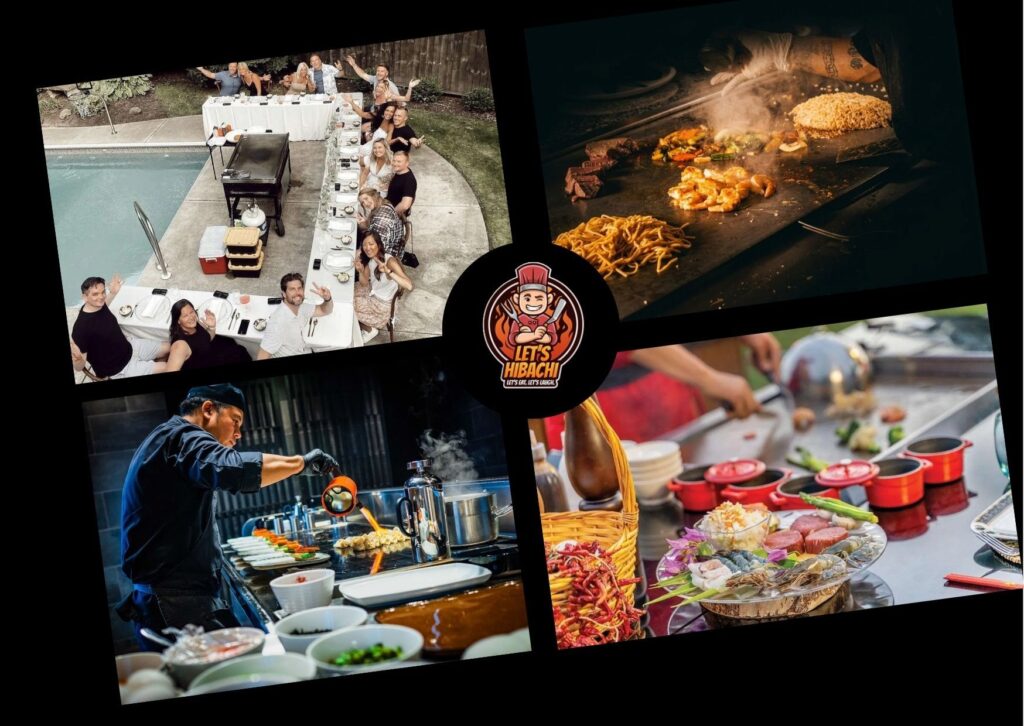
Hibachi Catering Checklist for Stress-Free Events

Start With the Right Event Plan
Before booking, map your event basics so your hibachi experience feels intentional rather than improvised. Decide the guest count, service duration, and event format (seated dining, shared tables, or a chef show zone) because these details hibachi catering determine equipment needs and cooking flow. Pick a clear location footprint and confirm there is enough space for a chef station, ventilation, and safe guest movement around the cooking area.
Next, define your celebration goals and dietary expectations. If you’re planning a birthday, wedding reception, or group dinner, list any preferences like seafood-forward menus, vegetarian options, or spice levels so the chef can tailor the grill performance. Gather allergy notes early—shellfish, gluten, or dairy are common constraints—and share them with your catering team so ingredient handling and cross-contact prevention are addressed. A checklist-style plan helps you avoid last-minute menu changes that can disrupt timing.
Verify Chef, Equipment, and Food Quality
A reliable service should walk you through chef staffing, setup requirements, and how cooking is coordinated on-site. Ask how many chefs will attend and how they rotate tasks to keep everyone served efficiently, especially for larger groups. Confirm what equipment is provided, including grill stations, warming setups, and any needed power or fuel sources, so your venue can approve the setup without surprises.
Food quality is where the experience becomes memorable, so verify sourcing and preparation standards. Request details about ingredient freshness, portion sizing, and how sauces and proteins are staged for consistent flavor. If you want interactive cooking, confirm the chef style—such as tossing, knife techniques, and ingredient presentation—so it matches the vibe of your crowd. Also consider how the service handles timing for courses and refills, since a smooth flow helps guests stay engaged instead of waiting.
Coordinate Logistics Like a Pro
Logistics determine whether the event feels seamless from arrival to cleanup. Create a timeline that includes guest check-in, chef setup, cooking start, and the point when guests should be seated for maximum interaction. Assign a point person to liaise with the catering team about parking, loading access, and any venue rules about open flames, noise, or walkways. This prevents confusion when staff arrive with equipment and need a straightforward path to the cooking area.
Don’t forget practical details that affect comfort and safety. Ensure you have seating planned for all guests and confirm whether tableware, napkins, and condiments are included or require venue supply. If you’re bringing alcohol or specialty beverages, ask about policy requirements and whether the catering provider supports coordination with your bar setup.
Conclusion
Using a checklist approach makes it much easier to book confidently and enjoy the celebration without stress. When you confirm staffing, equipment, dietary needs, and event flow, you reduce uncertainty and increase the odds of a memorable experience for everyone at the table. Let the catering team know your priorities—interaction level, menu style, and service pace—so the chefs can deliver a show that still feels organized and professional. For many hosts, choosing a provider like Let’s Hibachi brings the right balance of skilled chefs, fresh ingredients, and engaging cooking moments. If you want a straightforward way to plan, visit Let’s Hibachi and bring your next birthday, wedding, bachelorette party, or backyard gathering to life.
Leave Your Comment